


TimeTag vs Traditional Script Supervision: A Comparison
Script supervision has evolved from paper notebooks to digital tablets, but TimeTag takes it further with mobile-optimized logging that integrates directly with your production workflow.
Traditional Script Supervision
Paper notes, clapperboards, and manual timecode entry. Reliable but time-consuming, prone to errors, and difficult to search or share.
Digital Tablets and Apps
Better than paper, but often disconnected from camera systems. Still requires manual data entry and separate export processes.
TimeTag: Next-Generation Logging
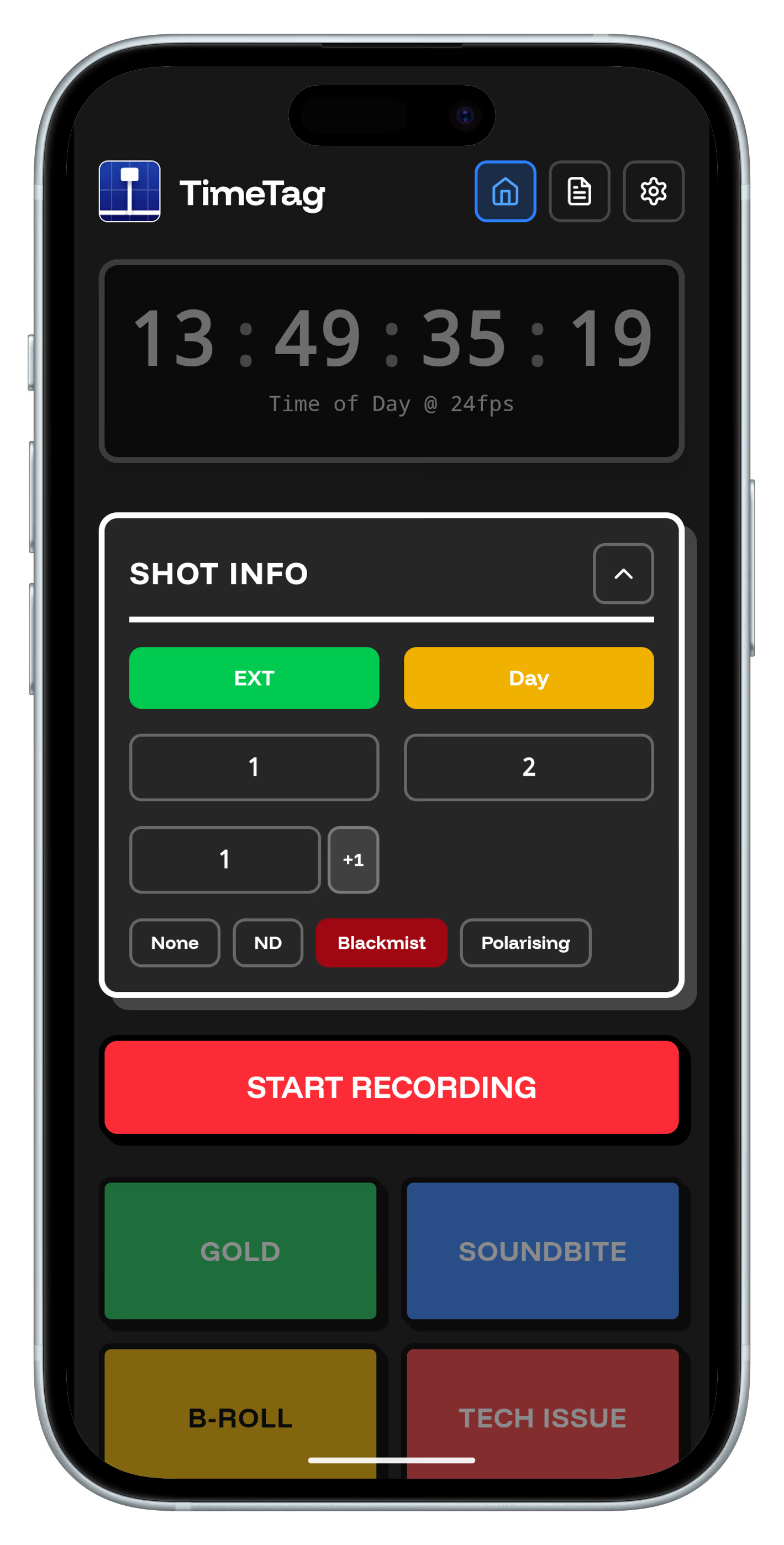
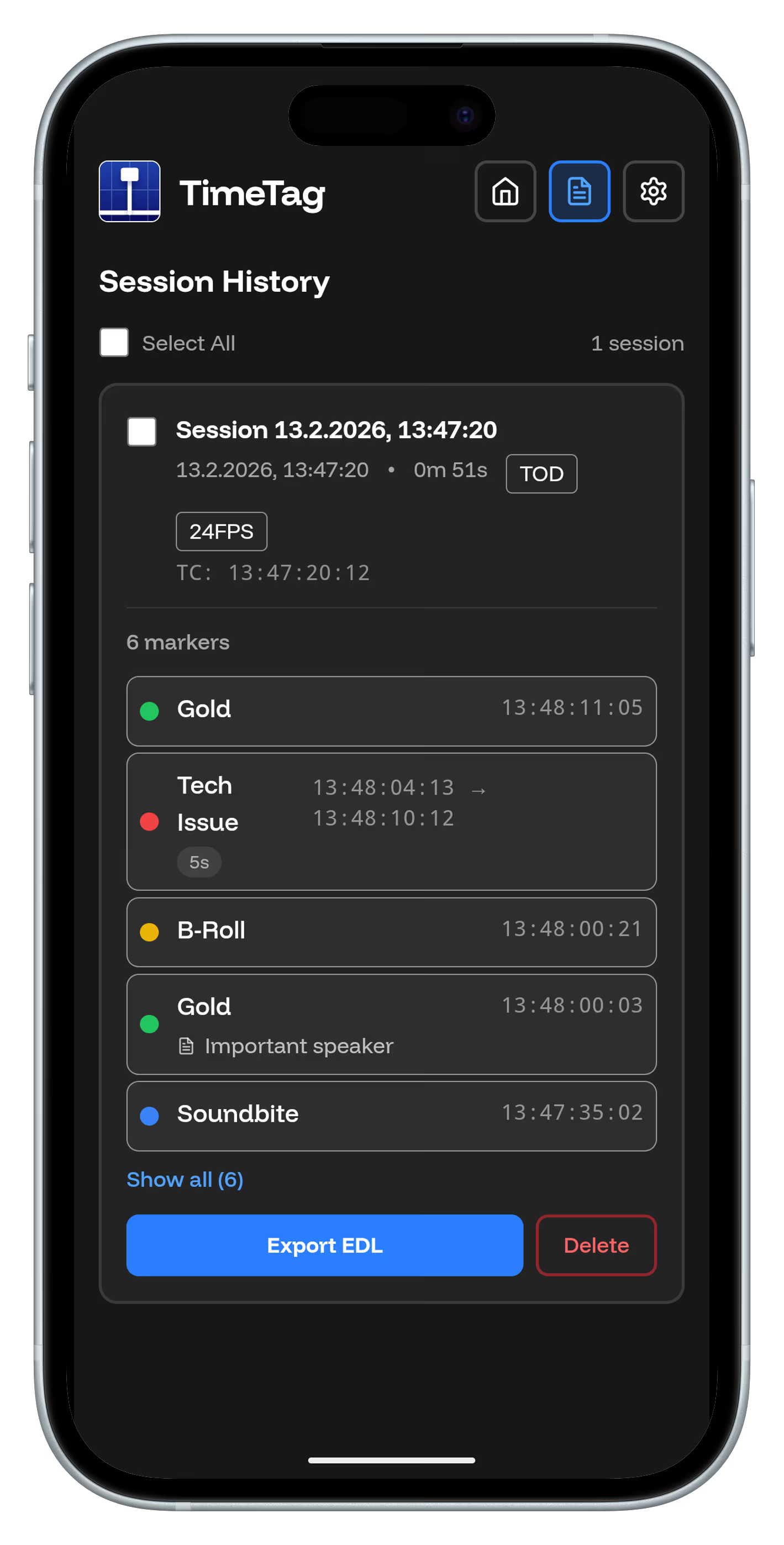
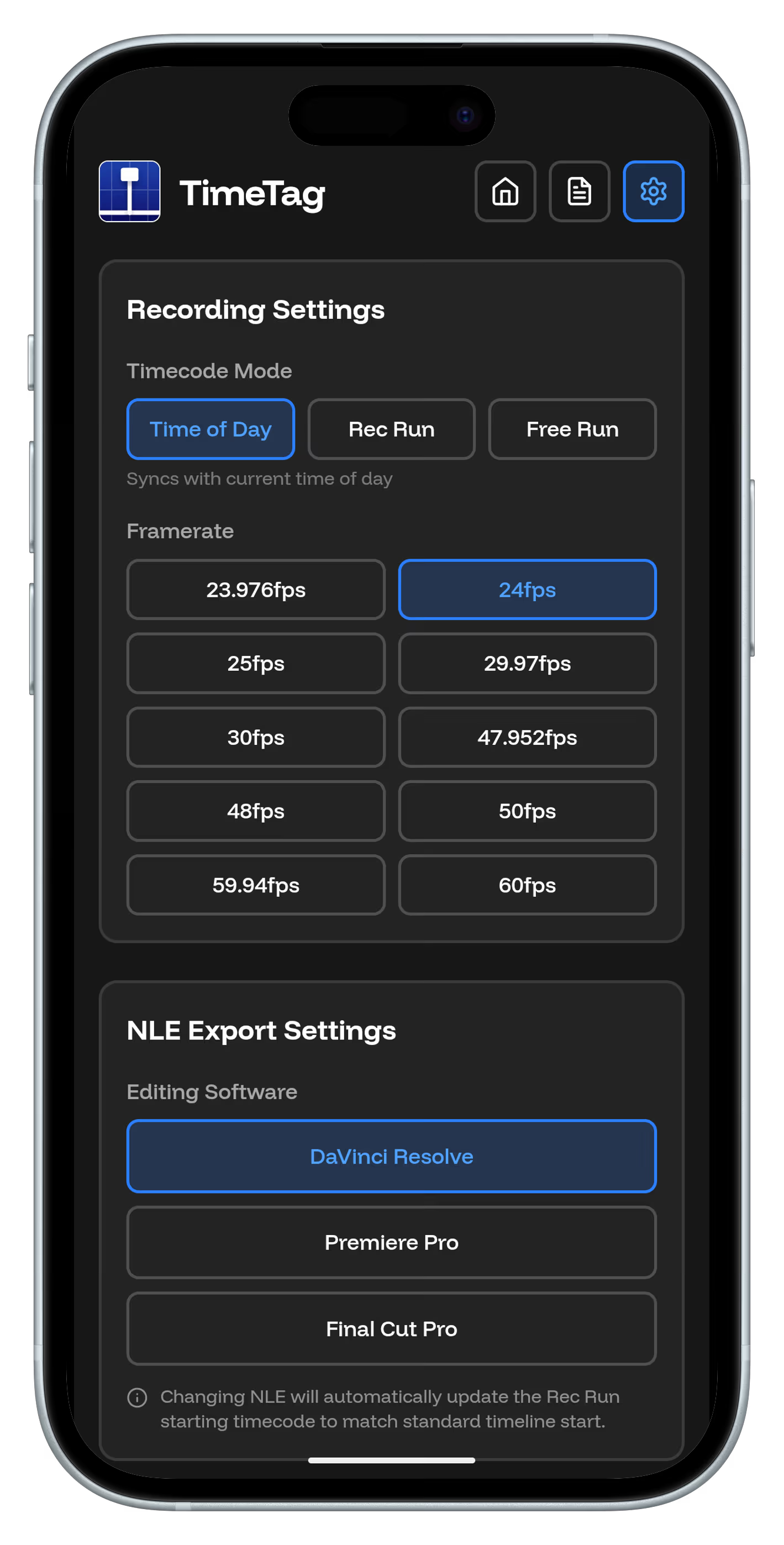
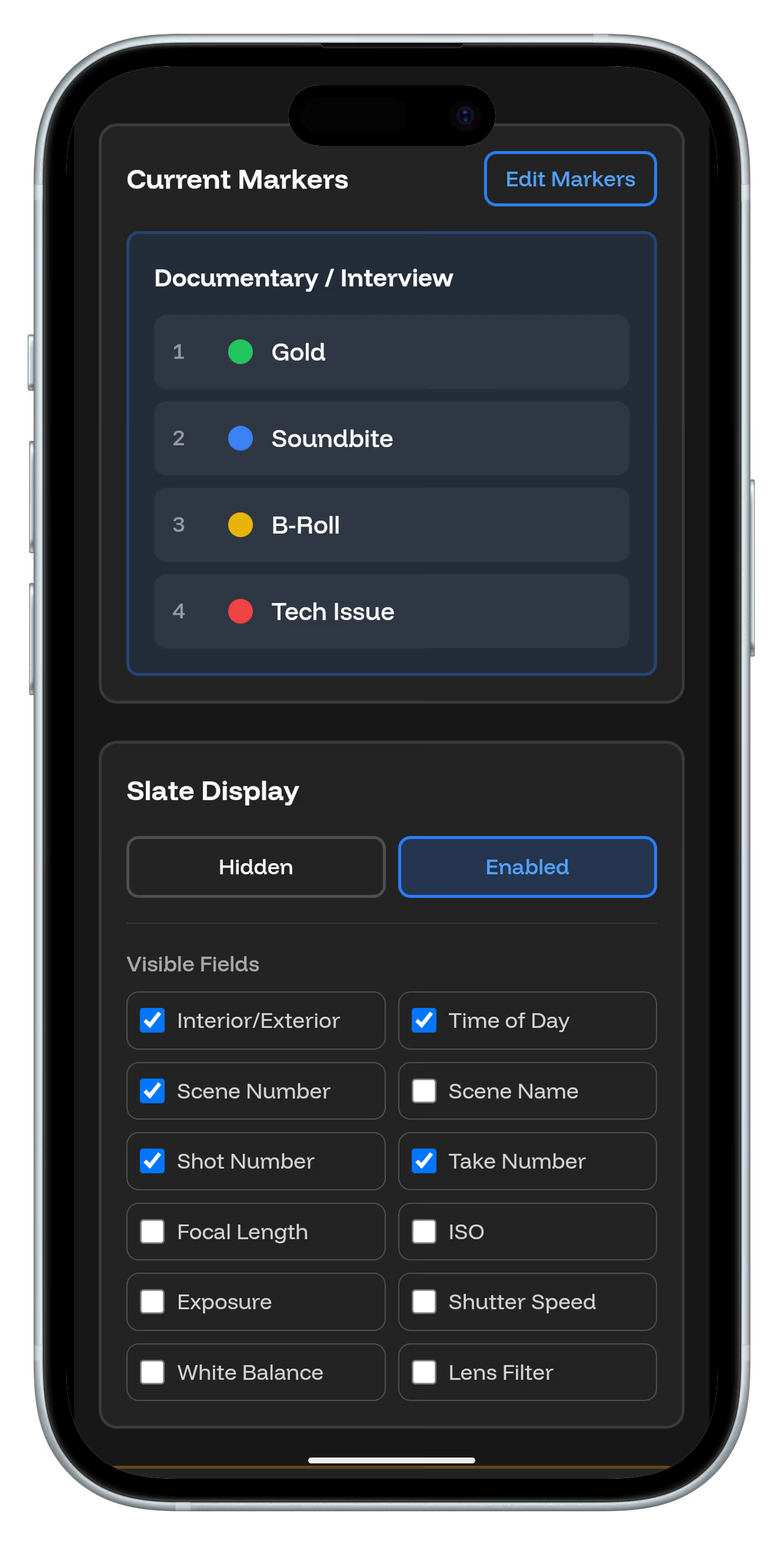
Real-time marking synced to camera timecode. Automatic export to editing software. Searchable metadata. Mobile-first design for on-set efficiency.
Speed Comparison
Traditional: Hours of logging per day of footage.
TimeTag: Minutes of setup, instant marking during shoots.
Accuracy and Reliability
TimeTag eliminates transcription errors and ensures perfect timecode sync. No more "close enough" timestamps.
Cost Effectiveness
One-time purchase vs ongoing paper/notebook costs. TimeTag pays for itself in saved post-production hours.
The Clear Winner
While traditional methods have served filmmaking for decades, TimeTag represents the efficient future. Upgrade your logging workflow today.